The Shift from Traditional to Digital Worlds
There was once a time when gamers were restricted to playing offline only. As time went on, the early internet introduced gamers to online play, and that created so many multiplayer worlds and global communities.
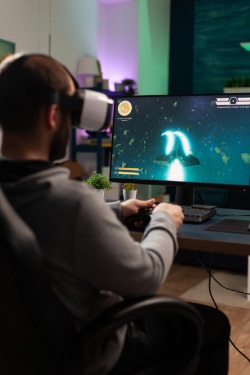
It wasn’t long before various titles such as Call of Duty and other competitive shooters showed how connection could turn solo gaming into a social experience. Over time, digital distribution replaced boxed copies, and in-game purchases became the norm.
Right now, we are witnessing mobile gaming go up a whole new level in various aspects. Anyone with a smartphone could check out the various game types or quick puzzles with just a tap. However, while access grew, ownership didn’t. Players spent time and money on digital items they couldn’t truly keep or trade, and that’s a limitation that Web3 aims to fix.
From Centralized Systems to Player Empowerment
Whenever players play on regular gaming setups, they have limited control over their items, progress, and currency. All these are under the game developer's control. The downside to that is if a server shuts down, years of play could vanish overnight, which is one heartbreak that no one wants.
Blockchain technology introduced a new idea that allows the storing of assets on decentralized networks. That way, means ownership moves from the company to the individual.
That shift is what allows players hold, trade, or sell their digital items securely without relying on a single platform.
Core Concepts of Web3 Gaming
Web3 gaming introduces a set of ideas that expand what games can do. To understand where gaming is heading, let’s unpack the core ideas shaping this new era:
Non-Fungible Tokens (NFTs)
NFTs are digital tokens that represent unique items with some degree of value. This could be a weapon, character skin, or piece of virtual land. Because they’re stored on the blockchain, players can trade these items between themselves or use them in multiple games that support the same network.
In simple terms, NFTs make in-game items real digital assets.
Play-to-Earn
Play-to-earn (P2E) flipped the typical gaming model by allowing players to earn tokens or items that hold real-world value.
Over time, the focus evolved from pure earning to what many now call Play-and-Earn. Players now have the opportunity to enjoy games alongside the potential of added incentives for their participation and skill.
GameFi
GameFi, which stands for Gaming Finance, connects gameplay with decentralized financial systems. Within GameFi ecosystems, players can stake tokens, participate in governance, or invest in virtual platforms.
It’s a natural extension of gaming’s competitive spirit with an added benefit where players aren’t just participants anymore but also stakeholders contributing to the game’s economy.
The Metaverse
The metaverse represents a network of shared digital spaces where users can play, socialize, and build. While still taking shape, its foundation focuses on the idea that assets and identities can move between games and platforms seamlessly.
It’s more of an open digital world where your avatar, achievements, and creations travel with you to create an online identity.
Interoperability: The Future of Connected Worlds
One of Web3’s most powerful ideas is its flexibility and multi-use cases. What this means is players have the ability to move assets and identities seamlessly between different games or virtual dimensions.
Let’s say you won an NFT avatar; you’ll be able to use this character to travel across multiple games and maintain its abilities and design. It’s this kind of cross-platform flexibility that Web3 looks to make a reality.
Emphasis on Ownership in the Future GamePlay
Ownership transforms how players relate to games. In older systems, players could spend hundreds of hours earning rewards or buying upgrades, yet everything remained locked within the game’s servers.
Once the game shut down or your account was lost, so was everything you owned. Web3 gaming changes that by giving you control in the following aspects:
Owning What You Earn
In traditional games, your progress often disappears once you move on to something new. But that’s not the case with blockchain-based gaming. Here, every achievement and reward becomes a permanent part of your digital history.
So when you pick up a rare item, token, or collectible, it’s tied to your digital wallet and not a company’s database. Wherever you decide to do with it is entirely up to you. You can showcase it, trade it, or even use it in another compatible world.
Freedom to Trade and Create Value
Regular gaming has, in many ways, stifled the amount of freedom players get. But with Web3 gaming, players can now decide what to do with their in-game items. The choice of whether to sell them, gift them, or hold them as investments is entirely up to them.
For instance, a limited-edition avatar or skin can increase in worth based on popularity and scarcity. The more people value it, the more demand it generates. All this is made possible thanks to the freedom this model provides players with.
From Players to Stakeholders
When ownership becomes part of gaming, players move from being users to being stakeholders. While they are interested in winning, they also care about how the game itself evolves.
Some Web3 projects allow players to vote on updates or participate in decision-making through governance tokens. It’s a democratic process that allows communities to be actively involved in the development of the game they love.
The Technology Powering This Shift
There are several key technologies working together to ensure that Web3 gaming delivers on all fronts regarding fairness, transparency, and interoperability. Here are the essential aspects:
Blockchain Networks
Blockchains act as the foundation and are responsible for recording every transaction, including asset ownership and in-game trades, in a secure and tamper-proof ledger. Every transaction is recorded in real time and cannot be altered.
That transparency helps eliminate cheating, fraud, or unfair advantages. For gamers, it means that in-game assets are truly owned by them. If you earn a rare sword or character skin, it stays in your wallet even if you leave the game. Developers also gain credibility because players can verify how items are created or distributed.
Networks like Ethereum, Polygon, and others provide the infrastructure that allows players to interact directly without middlemen.
Smart Contracts
Smart contracts are automated agreements that execute when certain conditions are met. In gaming, they handle rewards, trades, or governance votes without human interference. This is a very important section that tries to maintain fairness and consistency in order to reduce the chance of manipulation.
Interoperable Standards
To make assets usable across multiple platforms, developers rely on open standards like ERC-721 and ERC-1155 for NFTs.
A single profile could represent your gamer identity across dozens of worlds. Players have the option to use one account across different gaming spaces without necessarily starting over each time. Every progress and history is stored on one accessible platform.
These standards define how digital items are created and recognized across ecosystems and give room for cross-game functionality.
Decentralized Storage and Identity
Traditional games store player data on centralized servers. If those servers fail or shut down, progress and assets can vanish. Decentralized storage systems like IPFS solve this by distributing data across a global network.
Your assets and identity stay secure, even if one part of the system goes offline. But that’s not all. Even your personal information, you choose when and where to share it.
The Rise of the Gaming Ecosystem
Everyone has a role to play to create a more open and inclusive digital economy where innovation is shared, and thus, the ecosystem includes:
- Game studios developing blockchain-enabled titles.
- Investors and DAOs supporting community-driven projects.
- Brands and artists creating digital collaborations.
- Players forming guilds and communities to explore new opportunities.
Community as the Focus
The regular kind of gaming, which many are familiar with, features updates and changes that come from the top down. In contrast, focuses on giving people the choice to make these decisions. Players often hold voting rights through tokens, which will determine any future updates or partnerships.
The Role of Education and Awareness
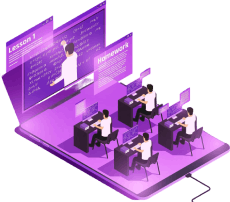
Players who understand how digital wallets, NFTs, and decentralized systems work are better equipped to protect themselves and succeed in this space. That’s why people need to be familiar with the needed details when participating in Web3 gaming.
Online academies and gaming hubs are starting to teach topics like:
- Securing wallets and assets.
- Understanding in-game economies.
- Avoiding scams and hacks.
- Participation in decision-making processes.
Misconceptions in Web3 Gaming
No new technology becomes available without initial doubts and questions. And the case is the same with Web3 gaming, especially as it’s still relatively new to the gaming industry. Here are some shared concerns about this development:
Balancing Innovation and Accessibility
As exciting as the technology is, the biggest challenge is making it conventional. Terms like blockchain, wallets, or decentralized apps still sound foreign to a lot of people.
In a bid to simplify the process, modern gaming platforms are making it easier for players to join by offering email logins, custodial wallets, and easy-to-understand interfaces. For mainstream adoption, keeping it as simple as possible will help others to be a part of this process.
The next generation of Web3 games will likely feel just like traditional ones on the surface, with blockchain quietly working in the background.
The Sustainability Question
The amount of energy consumed by blockchain is one aspect that came under early criticism. However, recent developments have shown that this isn’t a problem. Solutions such as proof-of-stake blockchains and Layer 2 scaling now help to drastically reduce energy consumption.
Bridging Web2 and Web3
Many developers are coming up with hybrid models that combine Web2 familiarity with Web3 ownership. Once this becomes properly integrated, everyone will have the chance to enjoy polished gameplay and social features while gradually exploring token-based systems and asset trading.
Preparing for What Comes Next
For players, the best step is just to explore. Try new platforms, learn about wallets, and understand how digital ownership works. For developers, it’s more on the experimentation side of things. The focus will be on building with open standards and listening to communities.
The industry is still defining its identity, and those who adapt early will be part of how entertainment and technology merge in the years ahead.
What the Future of Web3 Gaming Holds
Gaming always finds a way to give room for imagination and innovation. Web3 has now become a revelation that doesn’t replace what came before but expands it. With this model in place, players can become part of the story and part of the system as well.
While gaming companies will continue to produce games with better graphics and faster servers, these developments should come with more participation and shared growth. With this fusion in place, Web3 will make gaming more open, fair, and rewarding for everyone.