The Core of Blockchain Technology
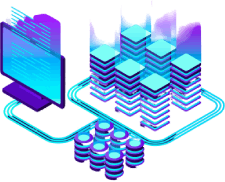
Before we look at its impact on gaming, it helps to understand what blockchain actually is. A lot of people associate blockchain with powering cryptocurrencies. But that’s not all it’s used for.
A simple way to put it would be to describe it as a secure digital ledger that records transactions across multiple computers. This makes it an open record book where every transaction is stored and open to the public.
So rather than have one company controlling the data, the network shares it. The availability of this data virtually makes it nearly impossible to alter or fake. Everything is designed into the system itself, not left to a single authority.
The New Era of Trust in Gaming
For decades, players have relied on centralized platforms that manage everything from accounts to in-game purchases. This worked fine until issues like item duplication, data loss, and unfair bans started affecting player trust.
But now we’re in a different era where developments like blockchain bring a solution to this problem. Here’s how blockchain encourages trust:
Openness Through Public Ledgers
Traditional games store everything on company-owned servers. That means the studio controls all your data and items. Blockchain flips that model. Because it’s decentralized, every player can verify what’s happening in the game’s ecosystem.
That means when you buy or earn an item in a game, everyone can confirm that it’s real, that it belongs to you, and that it hasn’t been tampered with. You don’t need to “trust” a system, you can see the proof yourself.
No developer can secretly change the rules or delete your assets because all data is distributed across thousands of nodes. Having access to this amount of detail highlights a radical departure from traditional gaming systems, where everything happens behind closed servers.
Reducing Fraud and Cheating
One of the biggest problems in online gaming is fraud. So many people have lost so much through hacks and other online theft.
Fake in-game items, duplicated currencies, and account hacks have cost players billions. With blockchain, every item has a unique ID and verifiable history, making it nearly impossible to forge or duplicate. Cheating becomes much harder when game logic and asset ownership are tied to a decentralized ledger rather than a single company’s server.
Trust Without Middlemen
In traditional gaming ecosystems, trust depends on centralized companies. This often includes publishers, marketplaces, or payment processors. Blockchain replaces these intermediaries with smart contracts and self-executing codes that run automatically when conditions are met.
For example, when two players trade items, the contract ensures that both sides complete their parts before the transaction finalizes. The end result is fewer scams, faster settlements, and complete fairness.
How Blockchain Transforms Gaming
For years, gamers have spent real money on virtual goods that they never truly owned. You could buy a rare skin or weapon, but it technically belonged to the game developer. Blockchain flips that model entirely.

Player Ownership of Assets
In regular games today, even if you buy an expensive skin or character, it technically still belongs to the company. So in the real sense, you’re just renting it until the developer decides otherwise.
Blockchain changes that dynamic. Through blockchain, every digital asset can exist as a non-fungible token (NFT). It’s a unique, verifiable certificate of ownership stored on the blockchain. That means when you buy an NFT item, you actually own it just like you would own a land or property.
You can sell it, trade it, or move it to another compatible game. And just like that, you could end up with a digital item that holds value.
Player-Driven Markets
When players own their in-game assets, they can decide what to do with them. It is the reason we now have various top decentralized marketplaces where users buy, sell, and trade items without relying on centralized companies.
It also means developers no longer control every transaction; instead, it’s the players who do. These markets run 24/7, governed by smart contracts so that the pricing and actions aren’t absurd.
Building Value Across Games
One of the major promises of blockchain is the ability to use assets across multiple games. That access is often referred to as interoperability. A good example would be using your favorite sword from one fantasy game in another completely different title.
Because these assets exist independently of any single platform, the possibilities open up and you have little boundaries to explore games the way you’d love to.
The Technology Holding Blockchain Gaming
There are several technologies that come together to make blockchain gaming a reality. For this type of gaming to be effective, there needs to be a high degree of security, functionality and legitimacy.
Smart Contracts for Rules
Most of us are familiar with the “terms and agreement” section, which you have to read and provide your consent to if you agree to them. Smart contracts are just like that but work differently as they are self-executing agreements encoded directly onto the blockchain.
It handles everything related to transactions, enforces game logic, and distributes rewards automatically. Because they run on code, not human control, there’s no room for bias or corruption.
For example, if you win a match, a smart contract can instantly transfer your prize without needing a middleman. It’s the perfect automation that cuts out delays and ensures fairness every step of the way.
Decentralized Storage and Servers
Most of the typical games we know depend on centralized servers that can be hacked or shut down. Imagine the pain of having to start a game all over or return to the last checkpoint. That’s not the case with Blockchain gaming.
Every activity runs on a decentralized storage, where game data is distributed across multiple nodes. With this virtual storage, you don’t have to worry about saving progress. Even if one node fails, the game remains online.
This design gives players confidence that their progress and assets won’t disappear if a company goes bankrupt or a server crashes.
Interoperability Protocols
Another interesting thing about Blockchain gaming is that it isn’t tied to one chain. What the developer does is to use interoperability protocols that allow assets and tokens to move between different blockchains.
It gives players the platform to use their NFTs across multiple games and platforms, and build a connected gaming ecosystem where ownership is universal, not confined to one brand.
Layer-2 Networks
One major challenge in early blockchain games was speed. Processing transactions directly on the main blockchain could be slow and expensive. That’s why we have Layer-2 solutions Polygon or Immutable X, to solve this.
They process most activity off-chain while keeping a secure link to the main blockchain, allowing for faster, cheaper, and smoother gameplay experiences.
How Players Benefit Through Play-to-Earn Models
The traditional gaming economy revolves around spending money. Blockchain gaming introduces the concept of earning through gameplay. But there’s more to benefit from this system:
Turning Time into Value
Gaming naturally stimulates pleasure and a feeling of excitement. However, instead of spending hours playing just to get items that stay trapped in a single game, players now earn crypto tokens or NFTs that hold real-world value.
Now every minute spent playing becomes an investment, not just entertainment. It opens opportunities for players in markets to make income through gaming and turn passion into livelihood.
Community-Led Economies
In Web3 gaming, players often hold governance tokens that give them a voice in shaping the game’s future. It’s like a democratic process where players can vote on updates, new content, and economic changes.
Everyone gets a say in the process and a real stake in the ecosystem which makes them more than just consumers but collaborators as well. It’s a fresh approach to game development that aligns everyone’s interests toward a shared goal.
New Roles Beyond Playing
In blockchain gaming, players are not just there to participate. The opportunities are there for them to become investors, creators, or community moderators.
Blockchain ecosystems often reward users for contributions like designing skins, promoting games, or testing updates. So, when the word “play” is used, everyone involved is part of building communities into active partners in growth.
Open Marketplaces
Because assets are blockchain-based, developers can build marketplaces where players trade items freely without breaking any terms of service. These player-to-player economies encourage longer engagement and greater value creation.
Developers benefit too since they earn fees from transactions while maintaining transparency across the ecosystem. At the end of the day, everyone is properly involved in every process.
Opportunities for Growth and Innovation
Of course, no revolution comes without challenges. Blockchain gaming still faces hurdles before it reaches full mainstream adoption. Technical complexity, environmental concerns, and regulatory uncertainty remain real issues that the industry continues to tackle.
Scalability and Energy Use
Early blockchains like Bitcoin and Ethereum consumed a lot of energy and struggled with limited transaction speed.
Thankfully, new proof-of-stake systems are solving that problem, reducing energy consumption by up to 99%. Still, game developers must ensure that their platforms remain sustainable as player numbers grow.
Accessibility and Learning Curve
To many players, wallets, NFTs, and gas fees can sound intimidating. That’s why user experience is becoming a top priority. The most successful blockchain games today hide most of the technical jargon behind intuitive interfaces. As wallets and onboarding tools get simpler, more gamers will find it easier to step into blockchain-powered worlds.
Market Speculation
In the early wave of blockchain games, hype often overshadowed fun. People focused more on profits than on gameplay. The industry is now moving past that stage, with developers returning to what matters most and that’s to create enjoyable, meaningful, and lasting gaming experiences where earning is a bonus, not the main goal.
Wrap
In many ways, Liberty Gaming is helping lay the groundwork for global digital economies where virtual and real-world value merge. Players might one day earn, invest, and build careers inside digital worlds, supported by transparent systems that anyone can verify. This could redefine how we think about “work” and “play” in the digital age.
While there’s still room for growth, the foundation has been laid for a future where gaming now broadens the idea of playing to participating in an open, fair, and player-driven ecosystem.